Cardiologist in Clear Lake City and Texas City, TX
Dipsu D. Patel, MD
“I want to help patients reach clear answers during complex cardiac conditions”
Dipsu D. Patel, MD is a board-certified interventional cardiologist who has cared for patients in the Clear Lake City, Texas City, and greater southeast Houston community for 25 years. We specialize in the evaluation and treatment of coronary and vascular disease, with a practice built around timely appointments, clear communication, and long-term cardiovascular health.
Board-certified in both Internal Medicine and Cardiovascular Disease, Dr. Patel completed interventional cardiology training before bringing advanced diagnostic and procedural care to the southeast Houston area. Our clinical focus spans coronary artery disease, peripheral vascular disease, heart failure, and preventive cardiology.
Patients know us for taking the time to explain test results in plain language and for building treatment plans around each person's goals. Whether managing a long-term condition or investigating new symptoms, our aim is to provide clear answers and care you can trust.
Conditions We Treat
Chest Pain
Definition
“Chest Pain” is itself a bit misleading. I recommend breaking it into its parts: think of “Chest” as the area below your jaw and above the diaphragm, and “Pain” as any unwanted sensation, such as dullness, heaviness, aching, tightness/squeezing, or numbness. Basically any new or unwanted sensation that occurs below the jaw and above the diaphragm.
Possible causes
Many diagnoses can present as chest pain, including (but not limited to):
GERD (i.e. heartburn or reflux)
Coronary artery disease
Heart attacks
Pericarditis
Bronchitis
Costochondritis
When to seek care
Be concerned if the chest pain is changing:
Getting more frequent
Getting more intense
Lasting longer
Occurring with less exertion
How chest pain is evaluated by a cardiologist
ECG
Echocardiogram
Stress test
Imaging (i.e. cardiac MRI)
Shortness of Breath
Definition
Shortness of breath is difficulty breathing in air. It can occur at rest or with exertion. Sometimes patients complain that they “can’t catch their breath” or “tire from walking,” both of which are different ways of describing shortness of breath.
Possible causes
Many diagnoses can present as shortness of breath, including (but not limited to):
Coronary artery disease
Congestive heart failure
Pneumonia
Bronchitis
Valve diseases
When to seek care
Be concerned if the shortness of breath is worsening:
Getting more frequent
Getting more intense
Lasting longer
Occurring with less exertion or other eliciting factor
How shortness of breath is evaluated by a cardiologist
ECG
Echocardiogram
Stress test
Imaging (i.e. cardiac MRI)
Palpitations
Definition
Palpitations are usually described as a “fluttering” or “pounding” in the chest. They are usually caused by an electrical abnormality in the heart called an arrhythmia. Many are benign and not dangerous, but some can be life threatening.
Possible causes
Many diagnoses can present as palpitations, including (but not limited to):
Atrial fibrillation (“A-Fib”)
Other SVTs (supraventricular tachycardias)
PVCs (premature ventricular contractions)
Ventricular arrhythmias
When to seek care
Be concerned if the palpitations are worsening:
Getting more frequent
Getting more intense
Lasting longer
Becoming associated with other symptoms such as lightheadedness, chest pain, or loss of consciousness
How palpitations are evaluated by a cardiologist
ECG
Echocardiogram
Holter monitoring
Electrophysiology study
Passing Out / Syncope
Definition
The terms “passing out” and “syncope” refer to a loss of consciousness. Patients are often described as unresponsive, including falling, an inability to speak, or being unable to move. There may be many causes of these symptoms, but from a cardiovascular perspective the primary concern is an inability to receive blood from the heart.
Possible causes
Many diagnoses can present as syncope, including (but not limited to):
Valve disorders
Arrhythmias
When to seek care
Be concerned if the episodes are worsening:
Getting more frequent
Occurring during exertion or driving
Lasting longer
Becoming associated with other symptoms such as lightheadedness, chest pain, or loss of consciousness
How syncope is evaluated by a cardiologist
ECG
Echocardiogram
Holter monitoring
Electrophysiology study
Congestive Heart Failure
Definition
Congestive heart failure is usually defined as a reduction in the output of the heart. There are two main types: systolic and diastolic. Traditionally, when people use the term “heart failure” they refer to systolic heart failure, a weakening in the output of the heart with a reduction in the “ejection fraction” (EF). Diastolic heart failure refers to a reduction in the ability of the heart to relax and accept blood.
Possible causes
Systolic heart failure
Often a lack of blood supply due to coronary heart disease
Viral illnesses
Toxicities, including excess alcohol intake
Diastolic heart failure
High blood pressure
Advanced age
Obesity
Kidney disease
When to seek care
You should be concerned about congestive heart failure if you have any of the following symptoms:
Shortness of breath
Swelling in your legs or abdomen
An inability to do the activities you were previously able to do
An inability to lie flat in bed
Feeling the need to get up at night due to shortness of breath
How congestive heart failure is evaluated by a cardiologist
ECG
Echocardiogram
Stress testing
Cardiac catheterization
Atrial Fibrillation
Definition
Atrial fibrillation (A-Fib) is an irregular rhythm caused by an abnormality in the electrical conduction of the heart. The irregularity originates in the pulmonary veins in the left atrium (the upper left chamber) and spreads through both upper chambers, causing them to “quiver”. The electrical signal is then transmitted to the bottom chambers of the heart, which then beat very irregularly and rapidly.
Possible causes
Atrial fibrillation is often seen in the setting of infection, thyroid disease, and after surgery. It can also be triggered by excess alcohol intake. Most commonly, atrial fibrillation has no definitive cause and occurs with age.
When to seek care
You should be concerned about atrial fibrillation if you have any of the following symptoms:
Palpitations
An irregular heartbeat
A high heart rate
An EKG that reads “A-Fib”
How atrial fibrillation is evaluated by a cardiologist
ECG
Echocardiogram
Electrophysiology testing
Coronary Artery Disease
Definition
Coronary artery disease refers to a blockage in the arteries that supply blood to the heart. If it occurs suddenly, this results in a heart attack. The blockages are usually a result of fat and fibrous materials that deposit on the inner surface of arteries.
Possible causes
Coronary artery disease normally occurs as a result of aging, but is accelerated by smoking, obesity, tobacco use, poor diet, lack of exercise, and a genetic predisposition.
When to seek care
You should be concerned about coronary artery disease if you have any of the following symptoms:
Chest pain
Shortness of breath
An inability to perform the activities you were previously able to perform
Fatigue
“Atypical chest pain”, including shoulder pain, neck pain, back pain, etc.
How coronary artery disease is evaluated by a cardiologist
ECG
Echocardiogram
Stress testing
Coronary calcium score
Cardiac catheterization
High Cholesterol
Definition
High cholesterol, also called “hyperlipidemia” or “dyslipidemia,” is a condition that results from elevated types of fat within the bloodstream. This condition can increase the risk of heart attack and stroke.
The most common causes of high cholesterol include a genetic predisposition, poor diet, and aging.
When to seek care
You should be concerned about high cholesterol if you have an elevated cholesterol reading on a lab test.
Hypertension
Definition
High blood pressure, or “hypertension”, is usually defined as a blood pressure of 130/80 in younger patients and 140/90 in older patients. Hypertension can result in an increased risk of heart attack, stroke, and death.
The most common causes of hypertension include a genetic predisposition, poor diet, tobacco use, and aging.
When to seek care
You should be concerned about hypertension when your blood pressure is shown to be elevated, or if you have:
Headaches
Vision changes
Changes in urination
Services
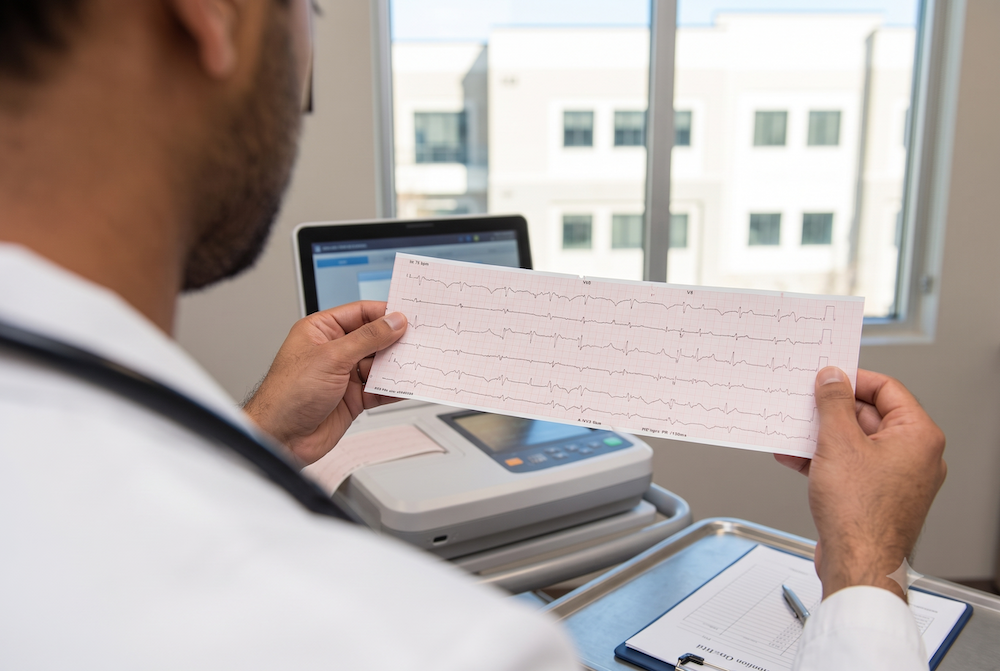
ECG/EKG
An electrocardiogram is a graphical representation of the electrical activity of the heart. It is used to help diagnose multiple heart conditions, including coronary artery disease, arrhythmias, and structural heart disease.
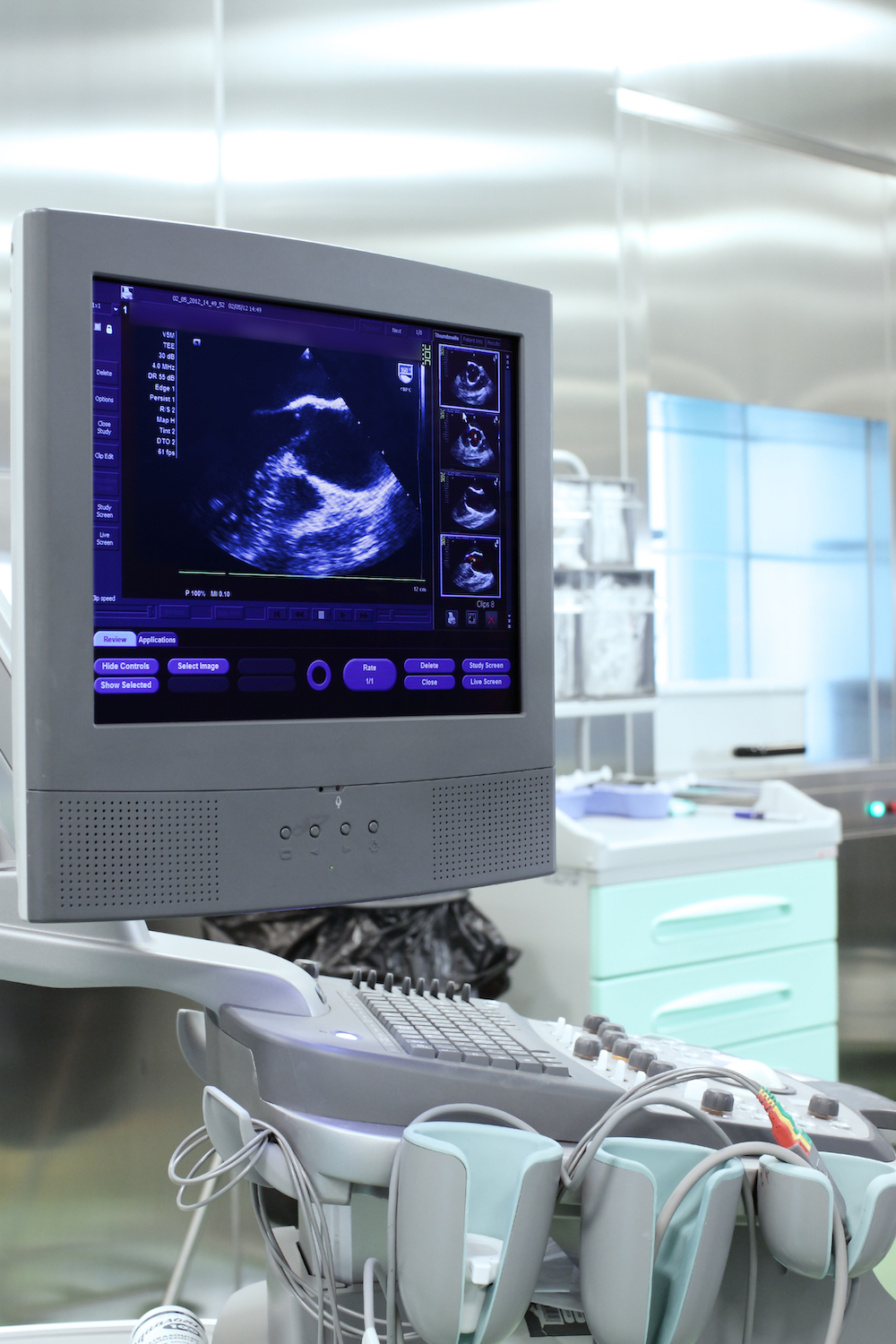
Echocardiogram (Echo)
An echocardiogram uses ultrasound to create an image of the moving heart, similar to the ultrasounds done on pregnant women to visualize the growing fetus. It is used to evaluate the overall functioning of the heart, as well as murmurs and other heart conditions.
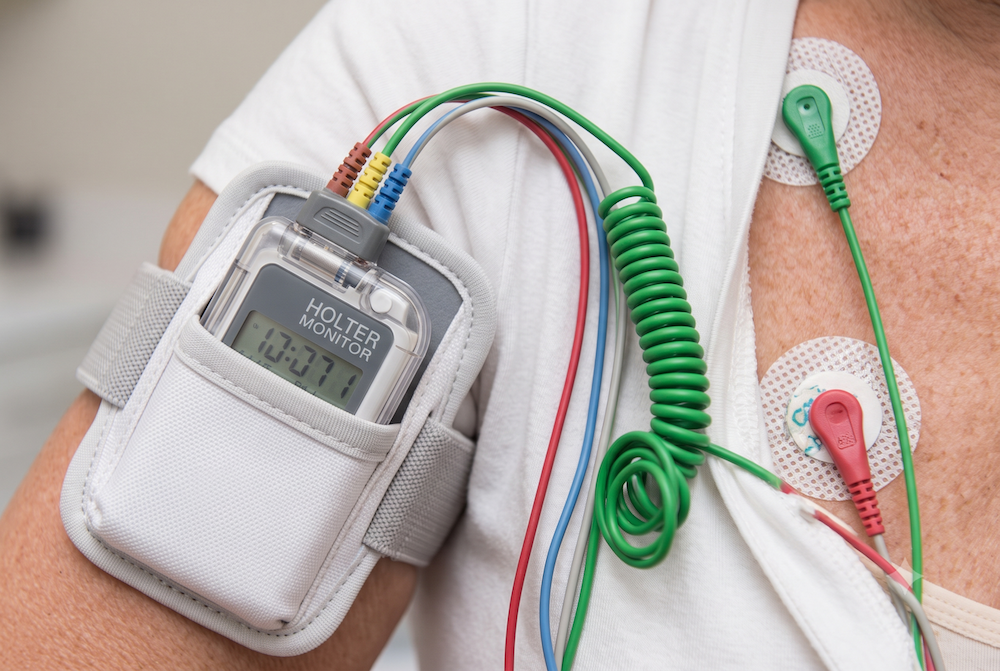
Holter Monitor
A Holter monitor is similar to an EKG but is worn for an extended period of time to evaluate for arrhythmias of the heart.
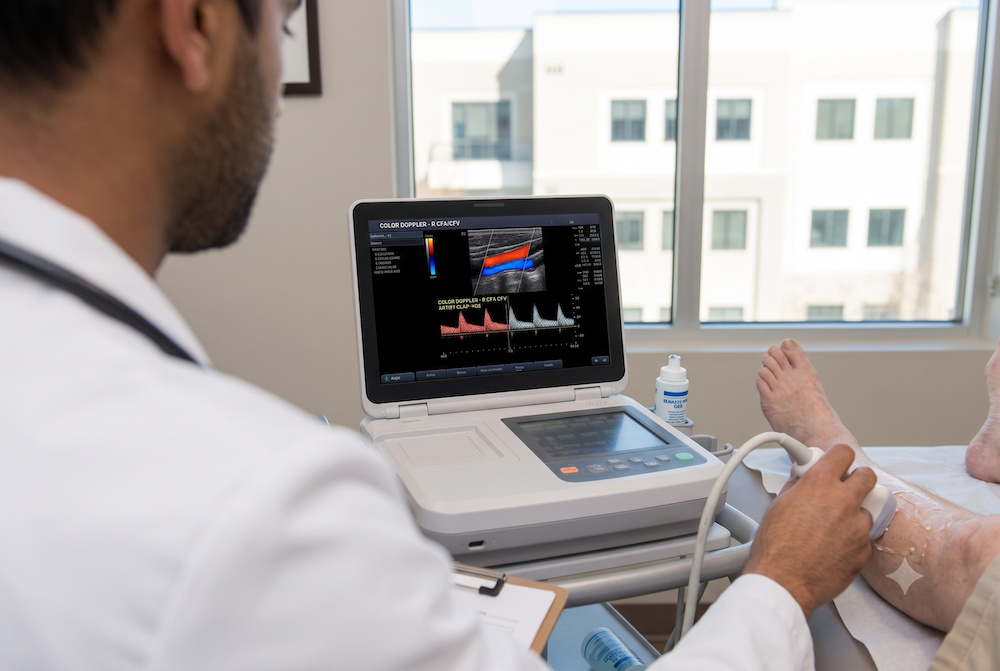
Arterial or Venous Doppler
Arterial and venous Dopplers are usually done in the extremities or carotid arteries to evaluate blood circulation in these vessels, primarily to detect clots or blockages.
Stress Test
Stress tests evaluate whether there is adequate circulation in the arteries that supply blood to the heart. A stress test has two main components: a stress agent (such as an exercise treadmill or medication) and an evaluation component (such as an EKG or nuclear imaging).
Examples:
Exercise treadmill stress test
Nuclear stress test (Lexiscan vs. treadmill)
PET stress test
Coronary Calcium Score
A coronary calcium score is a CT scan that evaluates the amount of calcium on the outside of the arteries that supply blood to the heart. The amount of calcium deposited on these arteries correlates highly with the amount of blockage within the artery.
Cardiac MRI
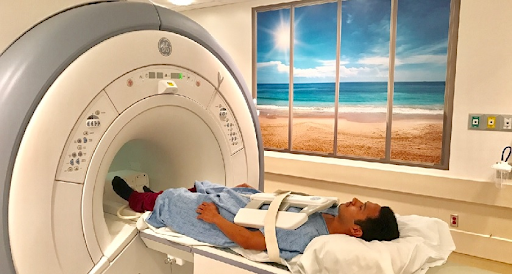
A cardiac MRI (cardiac MR) is an MRI of the heart used to diagnose and treat multiple conditions, including congestive heart failure, coronary artery disease, and congenital heart disease. It requires a specialized MRI machine that has been formatted to evaluate the heart.
Cardiac Catheterization
A cardiac catheterization (also called a left heart cath or coronary angiography) is a procedure used to evaluate the circulation of the heart. Typically a puncture is made into a vessel in the arm, wrist, or groin, and a catheter is advanced to the heart. Dye is injected through this catheter to evaluate for blockages. It can also evaluate heart valve problems and other cardiac issues. This procedure can be done in our private outpatient center or in the hospital.
Heart Q & A
When should I see a Cardiologist?
You should see a Cardiologist when you have symptoms or signs that may be related to a heart condition, or when you are at higher risk for one. The lists below cover the most common reasons.
Concerning symptoms
Chest pain
Shortness of breath
Passing out
Dizziness
Falls
Difficulty breathing when lying down
Swelling in the extremities
Palpitations
Pain in the legs when walking
Concerning signs
Abnormal tests, including EKG or chest X-rays
Abnormal lab values, including cholesterol levels
High or low blood pressure
High or low heart rate
Risk factors for heart disease
A history of previous heart disease
Smoking
Advanced age
Obesity
A sedentary lifestyle
A poor diet
High blood pressure
High cholesterol
Diabetes
Excess alcohol intake
A family history of heart disease
What is a "Family history" of Heart disease?
Most people will develop some heart disease later in life. For that reason, a “family history of heart disease” is most meaningful when it refers to early heart disease in a family member.
How do we define “early”?
Early heart disease is traditionally defined as heart disease in a man before age 55, or in a woman before age 65. Men tend to develop heart disease at an earlier age than women.
How do we define “family”?
In terms of heart-disease risk, “family” means a first-degree relative: your parents, siblings, or children. Surprisingly, aunts, uncles, and grandparents do not usually add to your personal risk. Knowing your family’s health story helps, and you can share it with Dr. Patel, who will factor it into your care.
What is POTS?
POTS stands for Postural Orthostatic Tachycardia Syndrome. It is a condition marked by an abnormal increase in heart rate when moving from lying down to standing.
Symptoms: Common symptoms include dizziness, fainting, and a rapid heartbeat upon standing.
Diagnosis: Diagnosis typically involves measuring heart rate and blood pressure changes when moving from a sitting or lying position to standing.
Causes: POTS can be caused by various factors, including dehydration, prolonged bed rest, and certain medical conditions.
Treatment: Treatment options may include increased fluid and salt intake, medications, and lifestyle changes to manage symptoms.
If you notice these symptoms when standing, it’s worth discussing with Dr. Patel, who can evaluate what’s going on.
Are GLP-1 meds safe?
GLP-1 receptor agonists (GLP-1 RAs) are medications that mimic glucagon-like peptide-1 (GLP-1), a hormone (an incretin) naturally released by the intestine after eating. They help regulate blood glucose, reduce appetite, slow gastric emptying, and promote weight loss. Several agents have also been shown to reduce major adverse cardiovascular events (MACE) in patients with type 2 diabetes and/or obesity with established cardiovascular disease.
How do they work?
Increase insulin secretion in a glucose-dependent manner (reducing hypoglycemia risk when used alone)
Suppress glucagon secretion, reducing hepatic glucose production
Slow gastric emptying, improving post-meal glucose control
Reduce appetite by acting on the hypothalamus
Promote weight loss
May reduce vascular inflammation and improve endothelial function, contributing to cardiovascular benefit
Some examples include
Semaglutide (Ozempic, Wegovy, Rybelsus)
Liraglutide (Victoza, Saxenda)
Dulaglutide (Trulicity)
Tirzepatide (Mounjaro, Zepbound)
Large cardiovascular outcome trials involving more than 100,000 patients have shown that GLP-1 receptor agonists do not increase cardiovascular risk and, for several agents, significantly reduce cardiovascular events.
There is good scientific evidence that they may reduce cardiovascular events in patients who already have heart disease, including those with:
Prior heart attack (MI)
Coronary artery disease
Prior PCI or CABG
Stroke
Peripheral artery disease
Like any medication, GLP-1s can have side effects, and whether one is a good and safe choice depends on your health history. They should always be prescribed and monitored by a physician. If you’re curious whether one might be right for you, Dr. Patel can walk you through the benefits, risks, and alternatives.
ADA Standards of Care in Diabetes, 2025 (Cardiovascular Disease and Risk Management)
What is a safe amount of alcohol use?
From a cardiovascular and overall-health perspective, there is no amount of alcohol that can be recommended as beneficial or completely risk-free. Recent evidence has challenged the long-held belief that moderate alcohol intake protects the heart. For people who choose to drink, major organizations recommend limiting intake rather than encouraging it.
Current recommendations
Organization
Recommendation
American Heart Association (AHA)
Do not start drinking for potential health benefits. If you drink, do so in moderation.
U.S. Dietary Guidelines for Americans (2020-2025)
Men: ≤2 standard drinks/day; Women: ≤1 standard drink/day
World Health Organization (WHO)
No level of alcohol consumption is completely safe for health.
What is a “standard drink”?
In the United States, one standard drink contains 14 grams (0.6 ounces) of pure alcohol, which is approximately:
Beverage
Serving size
Beer (5% ABV)
12 oz (355 mL)
Wine (12% ABV)
5 oz (148 mL)
Distilled spirits (40% ABV, 80 proof)
1.5 oz (44 mL)
Many restaurant pours, craft beers, and cocktails contain more than one standard drink.
What if someone already drinks?
If you already drink and have no contraindications:
Stay within recommended limits: up to 2 standard drinks/day for men, up to 1 standard drink/day for women.
Avoid binge drinking (defined as ≥5 drinks for men or ≥4 drinks for women within about 2 hours).
Have alcohol-free days each week.
If you have liver disease, a history of alcohol use disorder, are pregnant, or take medications that interact with alcohol, abstinence is generally advised.
Patients with cardiovascular disease
Alcohol should be limited or avoided in patients with:
Atrial fibrillation
Cardiomyopathy or heart failure
Uncontrolled hypertension
Significant liver disease
Hypertriglyceridemia
Prior alcohol use disorder
For patients with stable coronary artery disease who choose to drink, intake should remain within recommended limits, but alcohol should not be viewed as a treatment for heart disease.
What is the best diet to prevent Heart Disease?
Among all dietary patterns studied, the strongest evidence for reducing cardiovascular disease comes from a handful of well-researched approaches:
Mediterranean diet (best overall evidence)
DASH diet
Plant-predominant diets
Portfolio diet
Healthy low-carbohydrate diets (emphasizing unsaturated fats and plant proteins)
The Mediterranean diet has the most robust randomized-trial evidence for reducing heart attack, stroke, and cardiovascular death.
Mediterranean diet (best overall)
The landmark PREDIMED trial (Estruch R, et al., New England Journal of Medicine, 2013; updated 2018) randomized 7,447 high-risk adults with a median follow-up of 4.8 years. Compared with a low-fat diet, it found:
A 30% reduction in heart attack, stroke, or cardiovascular death
Fish (especially fatty fish), poultry, eggs, yogurt, cheese (moderate)
Rarely
Red meat, processed meat, sugary beverages, refined carbohydrates, processed foods
Because the best plan also fits your tastes, budget, and any other health conditions, Dr. Patel can help you personalize an approach that works for you.
References
Estruch R, et al. Primary Prevention of Cardiovascular Disease with a Mediterranean Diet. N Engl J Med. 2013;368:1279-1290. Updated analysis: N Engl J Med. 2018;378:e34.
Sacks FM, et al. Effects on Blood Pressure of Reduced Dietary Sodium and the DASH Diet. N Engl J Med. 2001;344:3-10.
Arnett DK, et al. 2019 ACC/AHA Guideline on the Primary Prevention of Cardiovascular Disease. Circulation. 2019;140:e596-e646.
Lichtenstein AH, et al. 2021 Dietary Guidance to Improve Cardiovascular Health. Circulation. 2021;144:e472-e487.
Jenkins DJA, et al. Effect of a Dietary Portfolio of Cholesterol-Lowering Foods vs Low-Saturated Fat Dietary Advice on LDL Cholesterol. JAMA. 2011;306:831-839.
This information is provided for general educational purposes and is not a substitute for personalized medical advice. Please talk with Dr. Patel or your own physician about your specific health situation.
Patient Testimonials
Lloyd Kirchner
★★★★★
Our family has trusted Dr. Patel with our heart care for years, spanning multiple generations. He combines exceptional medical expertise with a personal approach that makes you feel like more than just a patient. Knowing he cares for my family with the same attention and commitment he gives me is something I value tremendously.
Deepa Buch
★★★★★
When my health became an issue Dr. Patel listened patiently, addressed both my concerns and my health, and never made me feel rushed. His calm, compassionate approach has given me confidence and peace of mind every step of the way.
Frank Barzilla
★★★★★
Dr. Patel has been there for me through some of the most challenging moments of my life. His skill, determination, and thoughtful care helped me regain my health when I wasn't sure that would be possible. Over the years we've built a relationship based on trust, and I recommend him to friends without hesitation.
Lawrence Page
★★★★★
More than a decade after my heart attack, Dr. Patel is still the cardiologist I trust completely. He has always been available when I have questions, and I know he's only a phone call away when I need him. He once joked we'd be friends for a long time after my procedure, and looking back, he was absolutely right.
Johnnie Person
★★★★★
My husband and I have both been under Dr. Patel's care, and we couldn't ask for a better cardiologist. He takes the time to explain everything clearly, coordinates care seamlessly when specialists are needed, and always makes us feel like his priority. We have complete confidence in his judgment and recommend him without reservation.
Lester Green
★★★★★
Six years ago, I faced one of the most difficult times of my life. I needed a doctor I could trust, and Dr. Patel was there every step of the way. He guided me through difficult decisions with compassion, confidence, and exceptional expertise, and I truly believe he helped me get through that chapter of my life. I will always be grateful for the care, encouragement, and peace of mind he gave me and my family.


 Appointments in 1-3 days