
Hypertension
High Blood Pressure Care in Texas City and Clear Lake

What Is High Blood Pressure?
Blood pressure is the force your blood puts on the walls of your arteries. It’s written as 2 numbers: the top (systolic) is the pressure when your heart squeezes, and the bottom (diastolic) is the pressure between beats. High blood pressure, or hypertension, means that force stays too high for too long.
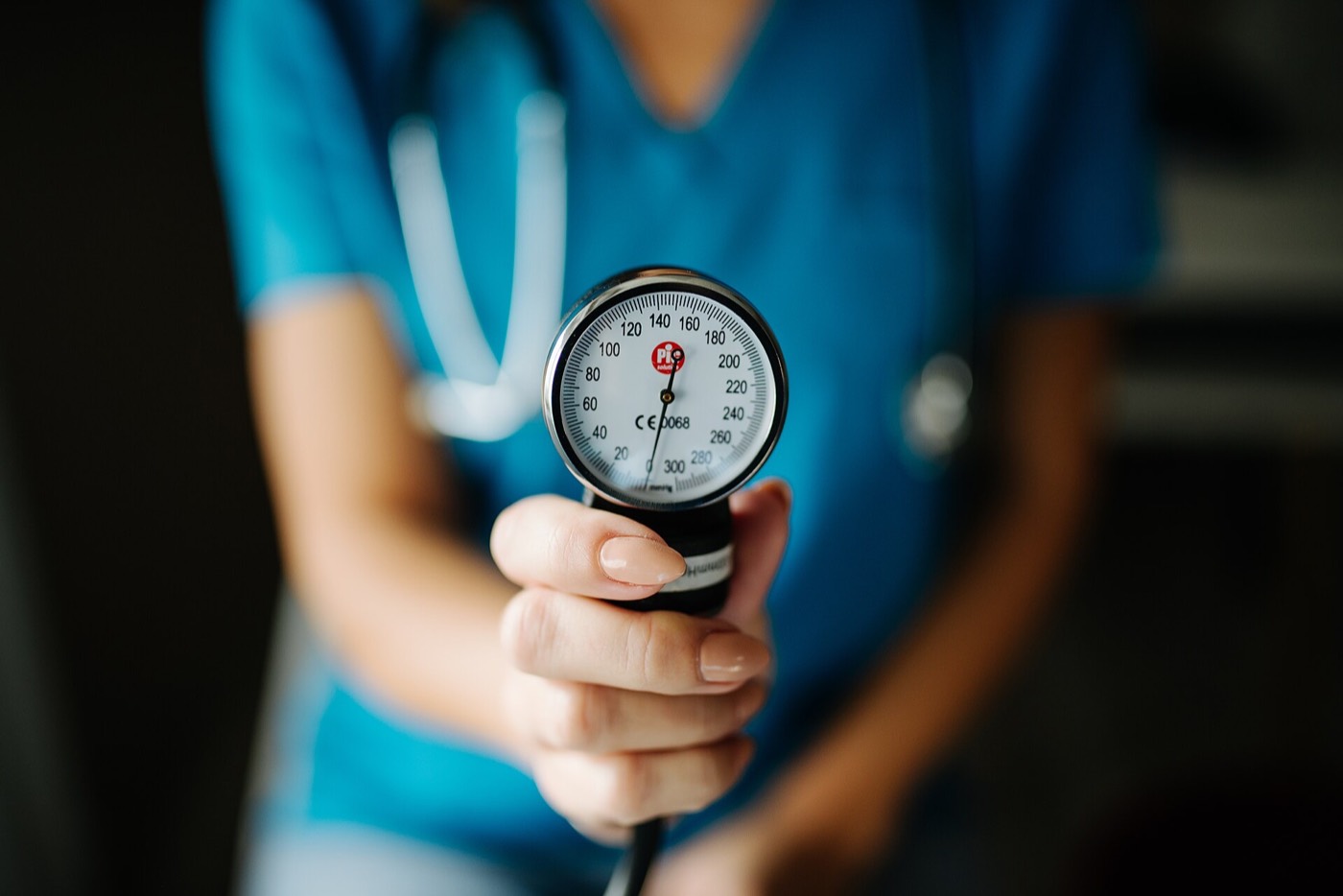
The National Heart, Lung, and Blood Institute defines high blood pressure as consistent readings of 130 or higher on top, or 80 or higher on the bottom. Stage 1 is a top number in the 130s or a bottom number in the 80s. Stage 2 is 140 or higher on top, or 90 or higher on the bottom. We read those numbers against your age and your other conditions, because the right target for a frail 85-year-old who gets lightheaded standing up isn’t always the right target for a 50-year-old with no other conditions.
In the CDC’s 2021 to 2023 national survey, 47.7% of American adults had high blood pressure, and only 20.7% of those had it controlled to under 130/80.
Why High Blood Pressure Rarely Causes Symptoms
Most people with hypertension feel fine. The National Heart, Lung, and Blood Institute puts it plainly: symptoms don’t usually occur until high blood pressure has already caused a serious problem. The pressure works on your arteries, heart, kidneys, and eyes for years without announcing itself, which is why the number has to be measured rather than felt.
When symptoms do show up, they tend to be:
- Headaches
- Vision changes or blurring
- Changes in how often or how much you urinate
What Causes High Blood Pressure?
For most adults there’s no single cause. Blood pressure rises with age as the arteries stiffen, and the most common contributors are a family history of hypertension, a diet heavy in sodium, excess weight, tobacco use, too little physical activity, and more than a moderate amount of alcohol.
A smaller group has secondary hypertension, meaning another condition is driving the number. Sleep apnea, kidney disease, a narrowed artery to a kidney, thyroid problems, and some medications (decongestants, certain pain relievers, some antidepressants) can all raise blood pressure. Treating the cause can bring the pressure down.
If you have several risk factors at once (you’re over 55, a parent had high blood pressure, and you smoke or used to), your risk of heart disease compounds. That combination is the main reason to see a cardiologist before symptoms present themselves.
When Should You See a Cardiologist for High Blood Pressure?
Your primary care doctor can manage uncomplicated hypertension. Call a cardiologist when any of these apply:
- You’re on 2 or more blood pressure medications and your numbers are still above 130/80. That deserves a closer look at the heart and kidneys, and at whether a secondary cause is being missed. Pressure that stays above goal on 3 or more medications including a diuretic is called resistant hypertension.
- You have high blood pressure plus another risk factor: diabetes, high cholesterol, a family history of early heart disease, a smoking history, or age over 55.
- You’ve had any cardiac symptom: chest pressure, shortness of breath on exertion, palpitations, or a fainting spell.
- Your doctor found a change on an ECG, a chest X-ray, or a lab test.
A reading of 180/120 or higher without symptoms still needs a same-day call to the office. Sit quietly for 5 minutes, recheck it, and if it stays there, call.
How We Evaluate High Blood Pressure
The first visit answers 2 questions: has the pressure already affected your heart, and is something else driving it?
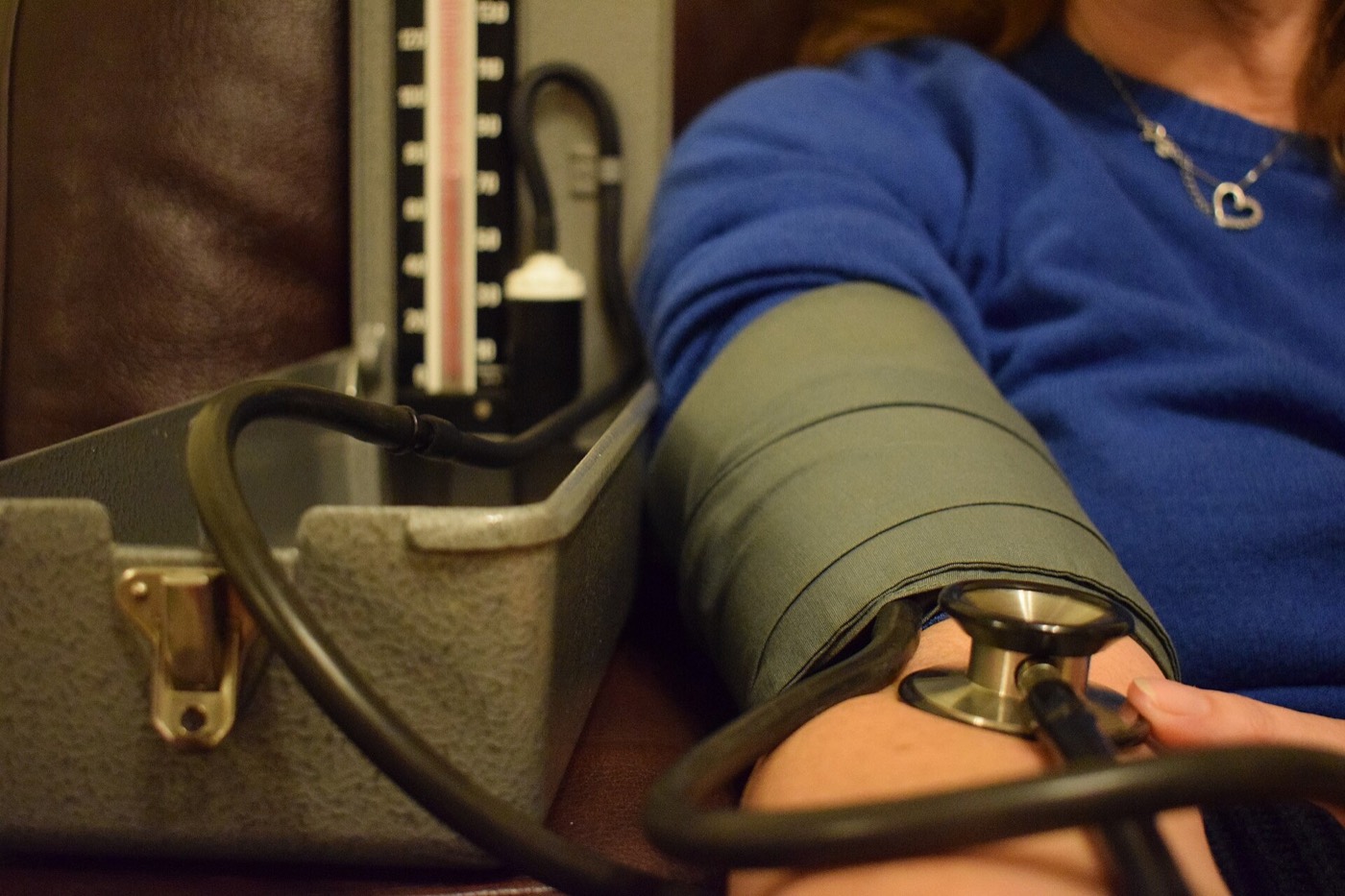
- Repeated measurements, in the office and, where useful, with a home cuff or a 24-hour monitor. A single high reading in a doctor’s office isn’t enough to diagnose hypertension.
- An ECG , also called an EKG (a tracing of the heart’s electrical activity), to look for thickening of the heart muscle or rhythm changes that high pressure causes over time.
- An echocardiogram , an ultrasound of the heart, to measure how the heart’s chambers have adapted to years of pushing against higher pressure. We do both the ECG and the echocardiogram in the office.
- Blood and urine tests for kidney function, cholesterol, blood sugar, and thyroid.
- A coronary calcium score when your risk is unclear and the result would change the plan. This CT scan measures calcium in the arteries that feed the heart and shows whether blockages have started to form.
If any of that points to a blockage, Dr. Patel is a board-certified interventional cardiologist, so cardiac catheterization and stenting can be done by the same physician where clinically appropriate.
Treatment Options
For almost every patient, treatment is a combination of:
- Lifestyle changes. The CDC recommends at least 2 hours and 30 minutes of moderate exercise a week, such as brisk walking, and no more than 2 drinks a day for men or 1 for women. The NHLBI adds 7 to 9 hours of sleep a night and the DASH eating plan combined with a low-salt plan, which it says can lower blood pressure as well as medication does. Keep weight down and quit tobacco.
- Medication, chosen for your situation. The first-line classes are diuretics (which help the kidneys shed salt and water), ACE inhibitors and ARBs (2 families of drugs that relax the blood vessels), and calcium channel blockers. Beta-blockers usually come in after a heart attack or for a rhythm problem, not as a first choice for blood pressure alone. Two medications at low doses often control pressure better than 1 at a high dose, with fewer side effects.
- Treating a secondary cause when one turns up, such as a CPAP machine (a breathing mask worn during sleep) for sleep apnea, or adjusting a medication that has been raising your blood pressure.
Living With High Blood Pressure
Check your pressure at home a few times a week with an upper-arm cuff, sitting, feet flat, after 5 minutes of rest, and write the numbers down. Take medication at the same time every day.
Frequently asked questions
Common questions about high blood pressure.
Is 140/90 an emergency?
Do I need a cardiologist, or is my primary care doctor enough?
Can I stop medication if my numbers come down?
Which insurance plans do you accept?
Sources
- National Center for Health Statistics, CDC. Hypertension Prevalence, Awareness, Treatment, and Control Among Adults: United States, August 2021 to August 2023. NCHS Data Brief No. 511, October 2024. cdc.gov
- National Heart, Lung, and Blood Institute. High Blood Pressure: What Is High Blood Pressure? Updated April 2024. nhlbi.nih.gov
- National Heart, Lung, and Blood Institute. High Blood Pressure: Treatment. Updated April 2024. nhlbi.nih.gov
- Centers for Disease Control and Prevention. Preventing High Blood Pressure. Reviewed December 2024. cdc.gov
Blood Pressure Running High?
Tell us what's going on, and we'll call you to set up a visit.
Most appointments are scheduled within 1 to 3 days.
(409) 945-5444Denotes a required field