If you’ve been told you might need a stent, or you’ve just learned you have a narrowed coronary artery, you’re probably wondering what that involves. Angioplasty and stenting are among the most common ways cardiologists restore blood flow to the heart, and for many people they offer relief without the need for open-heart surgery.
What is angioplasty?
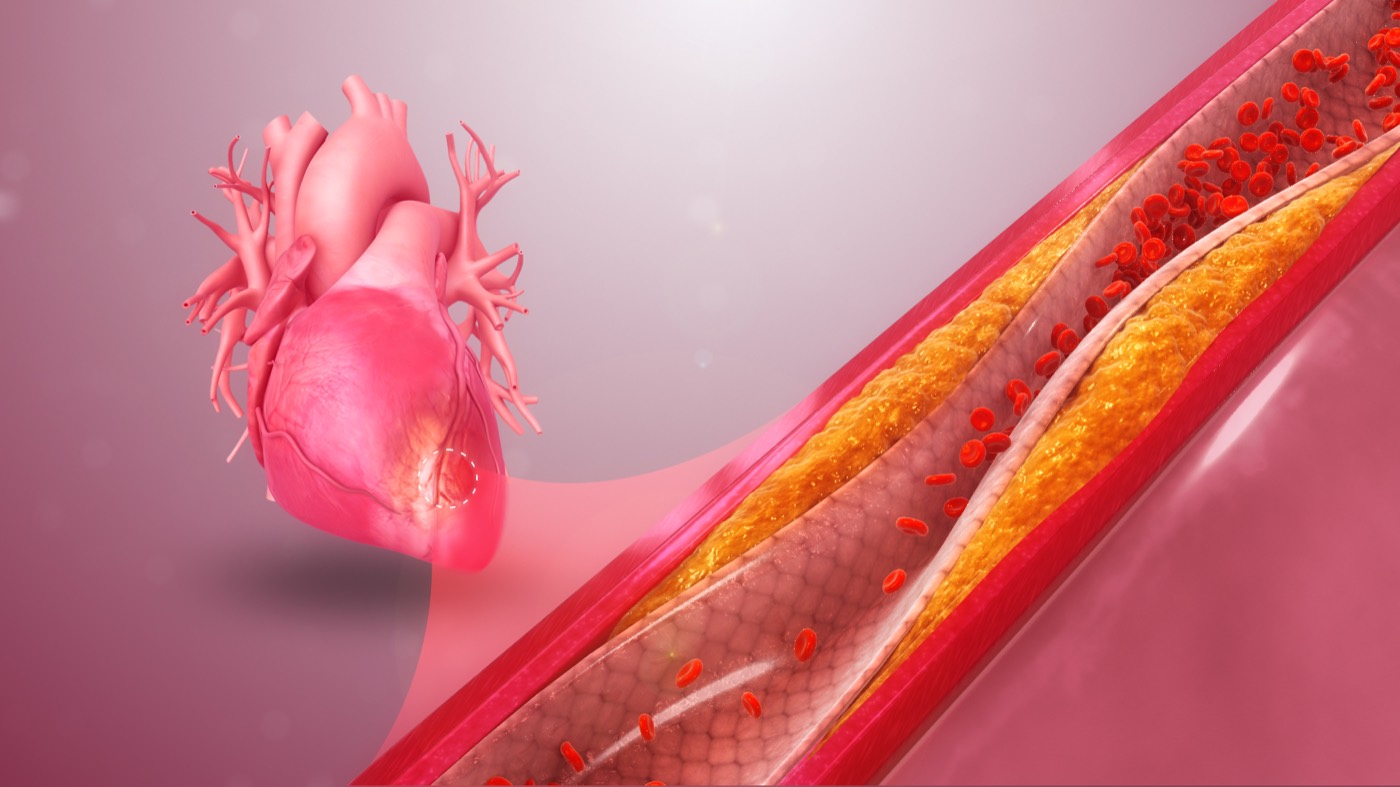
Angioplasty is a procedure that opens a narrowed or blocked artery. A cardiologist guides a thin catheter with a tiny balloon at its tip to the site of the blockage. When the balloon is inflated, it presses the plaque against the artery wall and widens the channel so blood can flow more freely. The medical name for this family of procedures is percutaneous coronary intervention, or PCI.
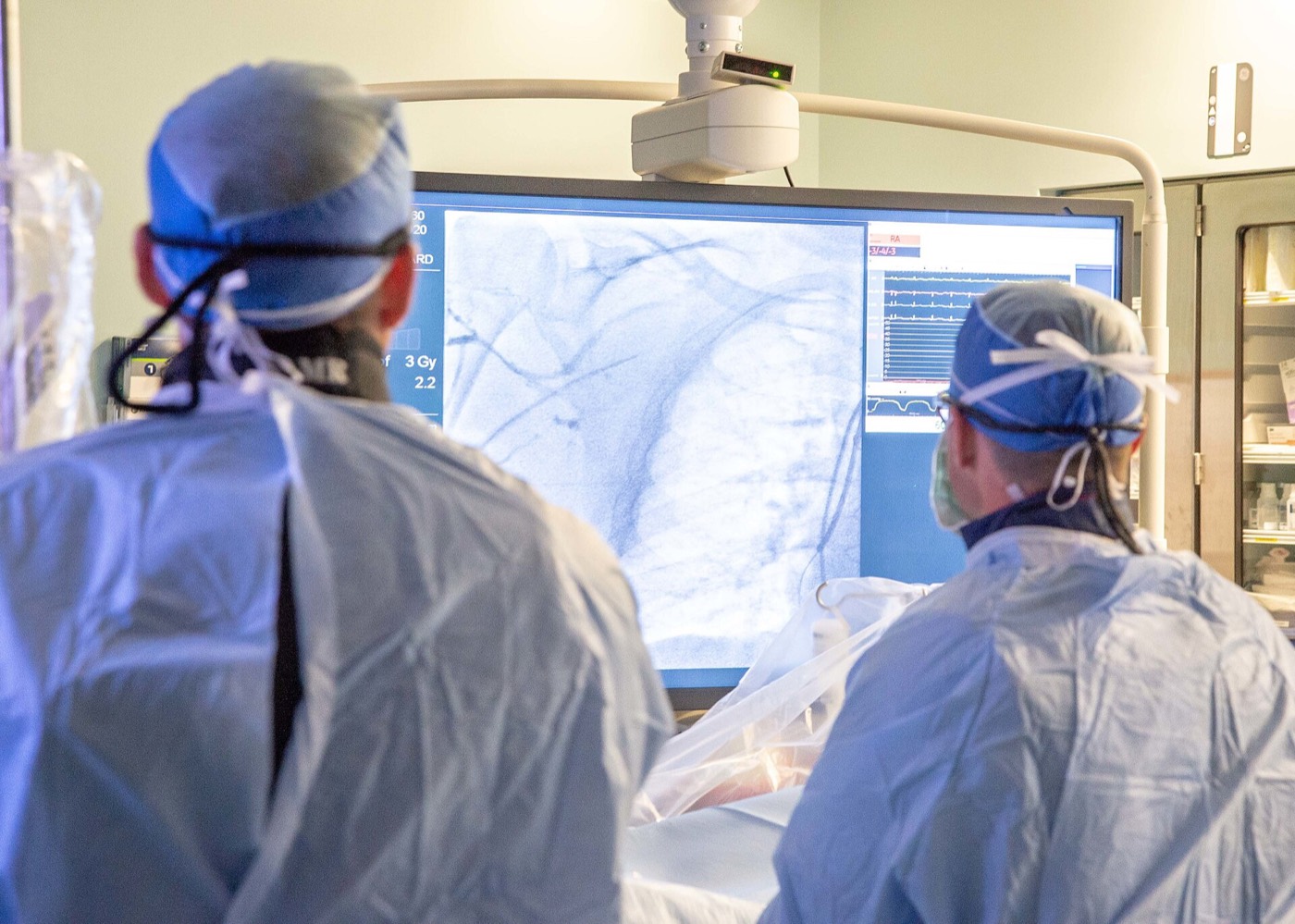
In most cases, angioplasty happens during a cardiac catheterization , so the diagnosis and the treatment can often take place in a single procedure. Your cardiologist first uses contrast dye and X-ray imaging to find the blockage, then treats it right away when appropriate.
What is a stent?
A stent is a small mesh tube that acts as a scaffold to hold the artery open after the balloon widens it. Once expanded, the stent stays in place permanently, keeping the vessel from narrowing again.
There are two main types:
- Drug-eluting stents are coated with medication that helps prevent scar tissue from forming inside the artery. These are the most commonly used today.
- Bare-metal stents have no coating and are used in specific situations.
Because a stent is a foreign object inside a blood vessel, your cardiologist will start you on an antiplatelet medication, such as clopidogrel, prasugrel, or ticagrelor, to prevent clots from forming around it. Taking this medication exactly as prescribed is one of the most important parts of a successful outcome.
When is a stent recommended?
Not every blockage needs a stent. The decision depends on how severe the narrowing is, which artery is involved, your symptoms, and the results of tests like a stress test or angiogram. A stent is often recommended when:
- A significant blockage is causing chest pain (angina) that limits daily activity.
- Blood flow to part of the heart muscle is meaningfully reduced.
- Someone is having a heart attack, where opening the artery quickly can limit damage.
For milder disease, medication and lifestyle changes may be the better path. Stents treat a specific blockage, but they don’t cure the underlying coronary artery disease that caused it, which is why ongoing prevention matters just as much as the procedure itself.
What recovery looks like
Recovery from a planned angioplasty is usually quick. Many people go home the same day or after an overnight stay, especially if the wrist was used for access. For a few days afterward, you’ll avoid heavy lifting and strenuous activity while the access site heals.
The longer-term work is protecting your new blood flow: taking your medications, managing blood pressure and cholesterol, staying active, and keeping regular follow-up appointments. A stent restores the plumbing, but your daily habits keep it working.
Talk with your cardiologist
Whether a stent is right for you is a decision best made together with an interventional cardiologist who knows your full picture. If you have symptoms of a blockage, or you’ve been told you may need angioplasty, it’s worth a conversation about what the findings mean and what your options are.