If your cardiologist has recommended a cardiac catheterization, it’s natural to have questions, and maybe a little anxiety about what the procedure involves. The good news is that catheterization is one of the most common and well-established procedures in cardiology, performed more than two million times each year in the United States with minimal risk. Knowing what to expect can make the whole experience far less intimidating.
What is cardiac catheterization?
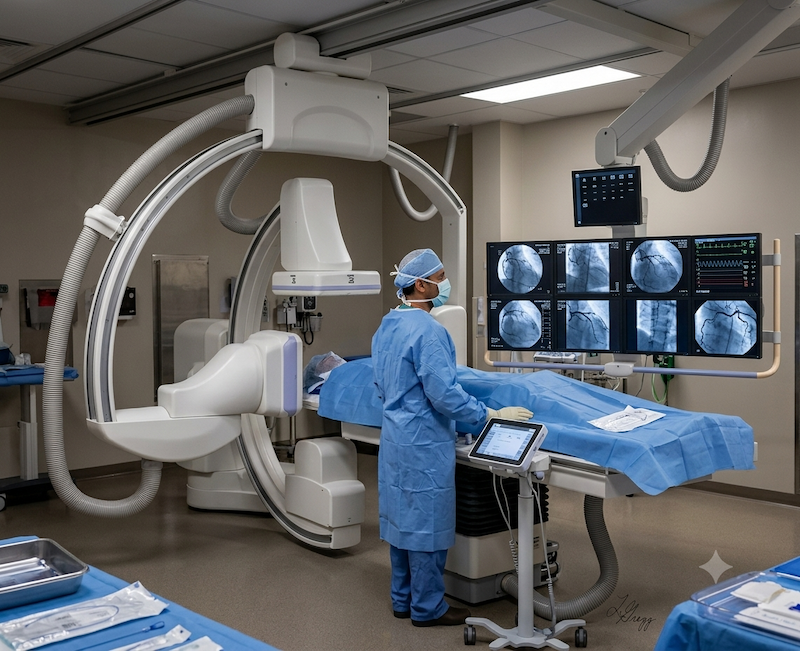
Cardiac catheterization (sometimes called a “heart cath” or, when the arteries are imaged, coronary angiography) is a minimally invasive procedure that lets your cardiologist look directly at how your heart and its arteries are working. Thin, flexible tubes called catheters are guided through a blood vessel up to your heart under X-ray guidance.
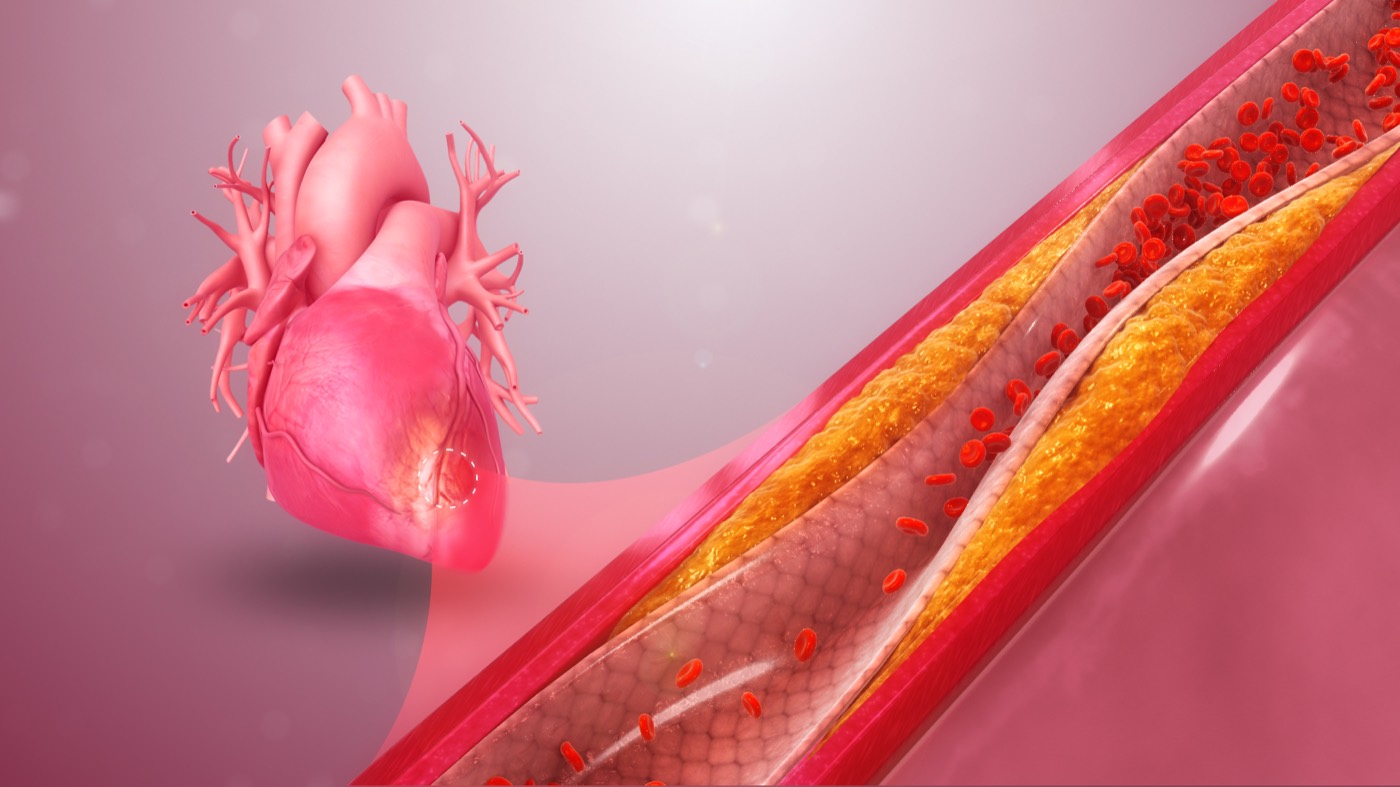
There are two forms. A left heart catheterization uses an artery in your wrist, arm, or leg to reach the left side of the heart, usually to perform coronary angiography, where contrast dye is injected into the coronary arteries to reveal any blockage from plaque buildup. A right heart catheterization uses a vein to reach the right side of the heart and measure pressures. Coronary angiography is the most common reason the procedure is done.
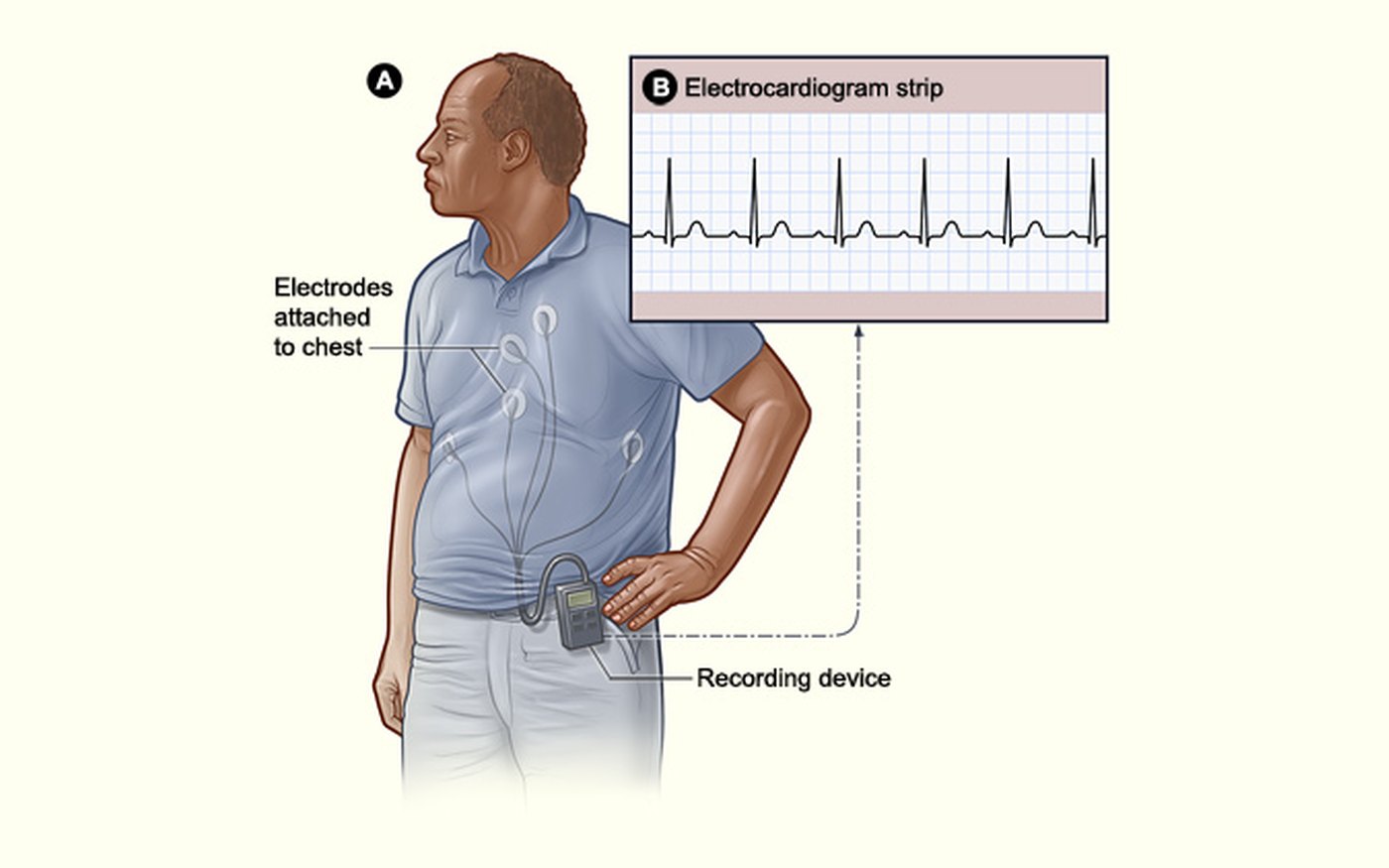
It’s used to evaluate concerns like chest pain (angina), shortness of breath, fatigue, dizziness, or palpitations, usually after noninvasive tests such as an ECG, echocardiogram, or stress test. It’s often the definitive test for confirming coronary artery disease . Beyond mapping the coronary arteries, it can show how well your heart valves are working and how well the heart muscle is pumping. One of its biggest advantages is that it’s not only diagnostic: if a significant blockage is found, your cardiologist can often treat it during the same procedure with angioplasty and a stent (a treatment called percutaneous coronary intervention) without the need for open-heart surgery.
How to prepare
Preparation is straightforward, but a few steps matter:
- Eating and drinking. You can typically eat and drink until midnight the night before. On the morning of the test, most routine medications, including aspirin and antiplatelet drugs, can be taken with a sip of water.
- Medications. Some blood thinners (such as warfarin or dabigatran) and certain diabetes medications need to be held or adjusted beforehand. Your cardiologist will give you specific instructions, so don’t stop anything on your own.
- Allergies and kidneys. Tell your care team about any allergies, especially to contrast dye, and about any kidney problems, since you may need pretreatment. Bring an up-to-date list of your medications.
You’ll also want to arrange for someone to drive you home, since you won’t be able to drive immediately afterward.
What happens during the procedure
Most people are surprised by how calm the experience is. You’ll be given mild sedation to help you relax, but you stay awake and conscious the whole time.
Getting started
The insertion site, either your wrist (radial access) or groin (femoral access), is numbed with local anesthetic. Many cardiologists now favor the wrist, which tends to be more comfortable and allows a quicker recovery. A small tube called a sheath is placed into the blood vessel.
Threading the catheter
The catheter is gently guided through your blood vessels to your heart. Because blood vessels have no nerve endings, you won’t feel the catheter moving. When the contrast dye is injected, it’s common to feel warm or flushed for a few seconds, a normal, brief sensation that passes on its own.
Imaging and treatment
You’ll be awake during the test and may be asked to follow simple instructions as the X-ray camera moves around the table. The images show your cardiologist exactly where blood is flowing freely and where it may be restricted. A catheterization takes roughly 30 to 45 minutes.
If a blockage is found, there are three common paths: managing it with medication, treating it with angioplasty and a stent during the same procedure, or, for more complex disease, referral for cardiac surgery. If a stent is placed, you’ll be started on an antiplatelet medication, such as clopidogrel (Plavix), prasugrel (Effient), or ticagrelor (Brilinta), to help prevent clots from forming in the treated artery.
Recovery and aftercare
Once imaging is complete, the catheter and sheath are removed and pressure is applied to the site, sometimes with a small internal plug or stitch, to close the vessel.
- If the wrist or arm was used, you can usually sit up right away and walk to the bathroom with assistance once you’re alert. A band keeps gentle pressure on the wrist, and you’ll limit wrist movement for a few hours.
- If the leg was used, you’ll lie flat with your leg straight for several hours.
If angioplasty or a stent was placed, you may stay in the hospital overnight. At home, a few simple guidelines help you heal:
- Drink plenty of fluids to help flush the contrast dye from your system.
- Avoid strenuous activity and heavy lifting for a few days.
- Keep the insertion site clean and dry. You can usually shower after 24 hours.
- You can typically drive again 24 hours after leaving the hospital.
How safe is it?
Cardiac catheterization is performed more than two million times a year in the United States with minimal risk. The most common issue is bleeding or bruising at the access site. Rarer risks include a reaction to the contrast dye, kidney strain, an abnormal heart rhythm, or infection. Serious complications, such as heart attack, stroke, or the need for emergency surgery, occur in fewer than 1% of cases, which is a big part of why the procedure is performed so routinely.
The best way to feel confident going in is to ask questions. Understanding why the procedure is recommended, what the findings might mean, and what the next steps could be turns an unknown into a plan, and that’s exactly the kind of conversation your cardiologist wants to have with you.
When to talk to a cardiologist
If you’re experiencing chest pain, shortness of breath, or you’ve had tests suggesting a possible blockage, a cardiac catheterization may be part of getting clear answers. It’s worth discussing your symptoms and history with an interventional cardiologist who can help you weigh whether the procedure makes sense for you.