Coronary artery disease is the most common form of heart disease, and it’s the underlying cause behind many heart attacks. The good news is that it’s also one of the most preventable and treatable, especially when it’s caught early. Understanding what it is puts you in a stronger position to protect your heart.
What is coronary artery disease?
Your coronary arteries are the blood vessels that supply oxygen-rich blood to your heart muscle. Coronary artery disease develops when these arteries become narrowed or blocked by a buildup of fatty material and plaque, a process called atherosclerosis. As the arteries narrow, less blood reaches the heart, which can cause symptoms and, if a vessel becomes fully blocked, a heart attack.
Symptoms to watch for
Coronary artery disease can develop quietly over years, and some people have no symptoms until a significant blockage forms. When symptoms do appear, common ones include:
- Chest pain or pressure, known as angina, often brought on by exertion
- Shortness of breath
- Fatigue or reduced ability to do activities you used to manage easily
- Pain that radiates to the shoulder, neck, jaw, or back
What causes it, and who’s at risk
Coronary artery disease usually develops gradually with age, but several factors speed it up. Some you can’t change, such as your age, biological sex, and family history of early heart disease. Many others you can influence:
- High blood pressure
- High cholesterol
- Diabetes or high blood sugar
- Smoking and tobacco use
- Obesity and a sedentary lifestyle
- A diet high in processed foods
The more risk factors you have, the higher your overall risk, but improving even one or two can make a real difference.
How it’s diagnosed
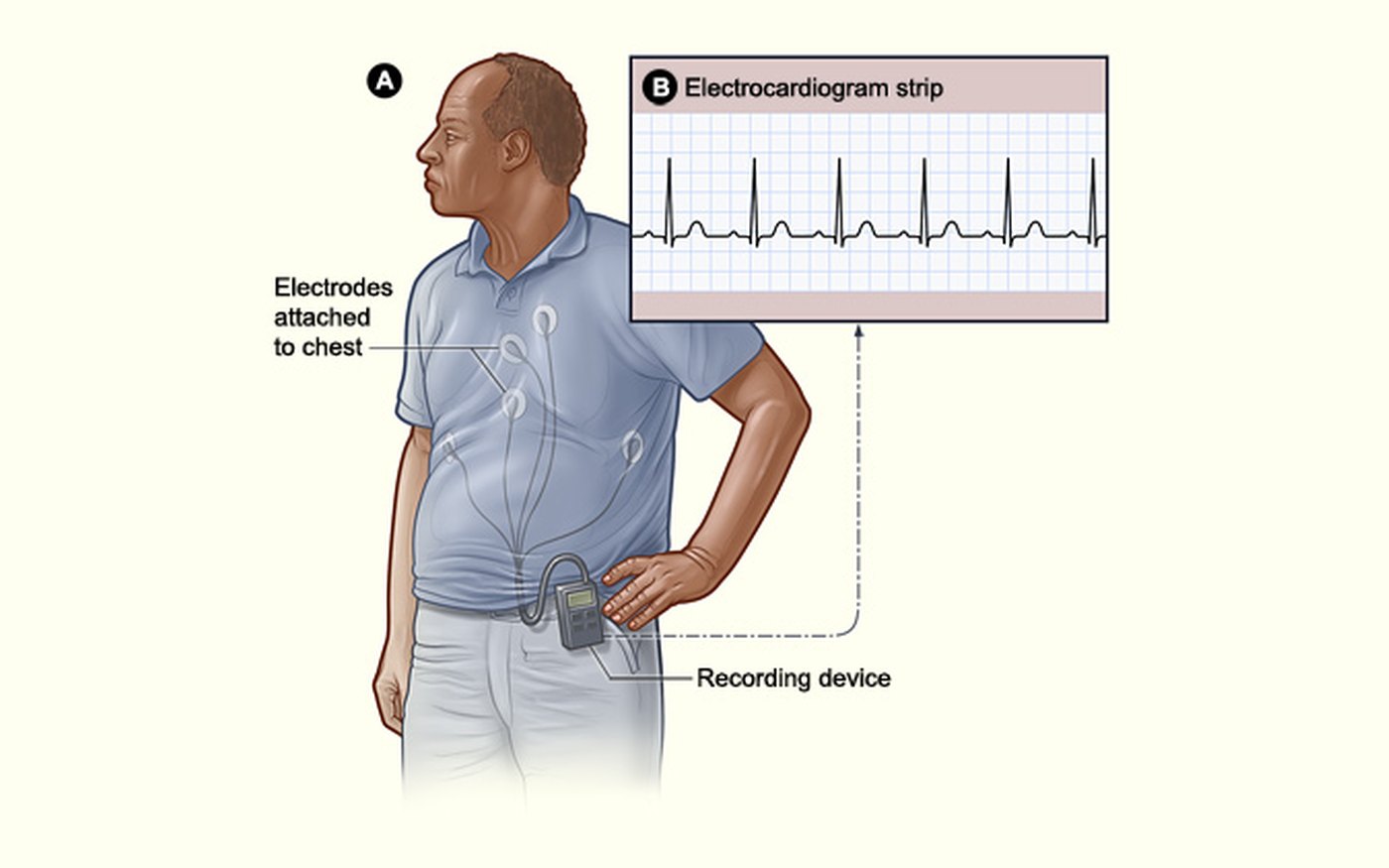
A cardiologist typically starts with your history, a physical exam, and noninvasive tests such as an ECG, an echocardiogram, or a stress test. If those suggest a meaningful blockage, the definitive test is often a cardiac catheterization , which uses contrast dye and X-ray imaging to map exactly where and how severe any narrowing is.
How it’s treated
Treatment is usually a combination of approaches, matched to how advanced the disease is.
Lifestyle and prevention
For many people, the foundation is lifestyle: not smoking, eating a heart-healthy diet, staying active, and reaching a healthy weight. These steps slow the disease and lower the chance of a heart attack.
Medications
Medications play a central role, from statins that lower cholesterol to drugs that control blood pressure, prevent clots, and ease the heart’s workload.
Procedures
When a blockage is significant, a cardiologist may recommend opening the artery with angioplasty and a stent , often during the same catheterization used to diagnose it. For more complex disease, bypass surgery may be the better option. These procedures treat specific blockages, but they work best alongside the lifestyle and medication steps that address the disease as a whole.
Take the next step
If you have risk factors for coronary artery disease, or symptoms that concern you, an evaluation with a cardiologist can tell you where you stand and what to do about it. Catching and managing this condition early is one of the most powerful things you can do for your long-term heart health.